Everyone who now has a steady yoga practice started exactly where you are now: on a mat for the first time, not quite sure what to do with their hands. Yoga for beginners doesn’t need to be intimidating. With the right style, a little preparation and realistic expectations, your first class can feel welcoming rather than overwhelming.
Table of Contents
Is yoga suitable for total beginners?
Yes. Yoga is designed to meet you where you are, not the other way round. A good beginner class is built around options and modifications, so someone doing their first downward dog can be in the same room as someone who’s been practising for years, both getting something useful out of it.
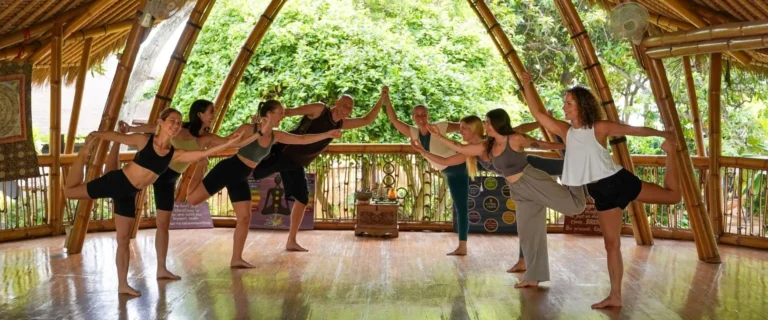
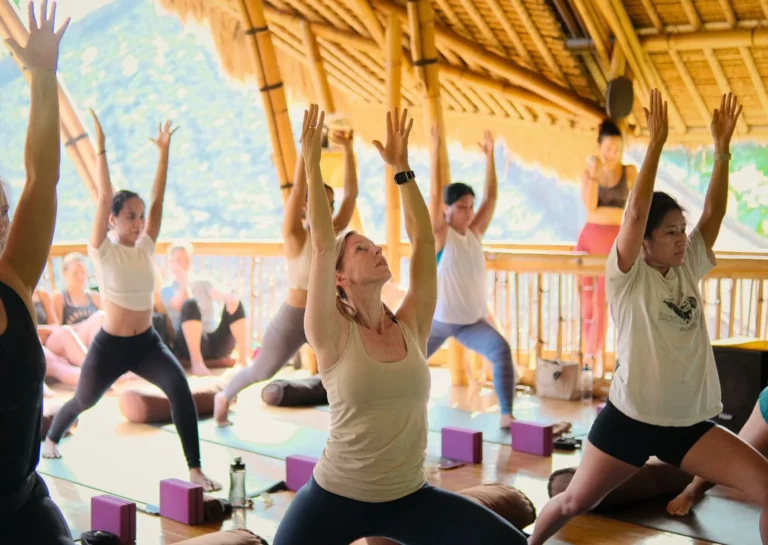
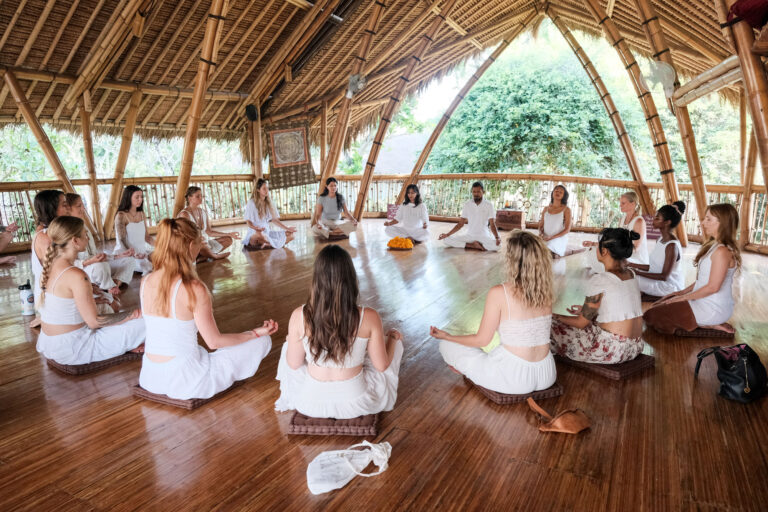
At Power of Now Oasis, our daily classes in Sanur are open to all levels, and teachers are used to offering variations on the spot so newcomers never feel singled out. There’s no test to pass before you’re “allowed” to start.
Best styles to start with
Not every style of yoga is the easiest entry point, and choosing the right one can make a real difference to how your first few weeks feel.
Hatha
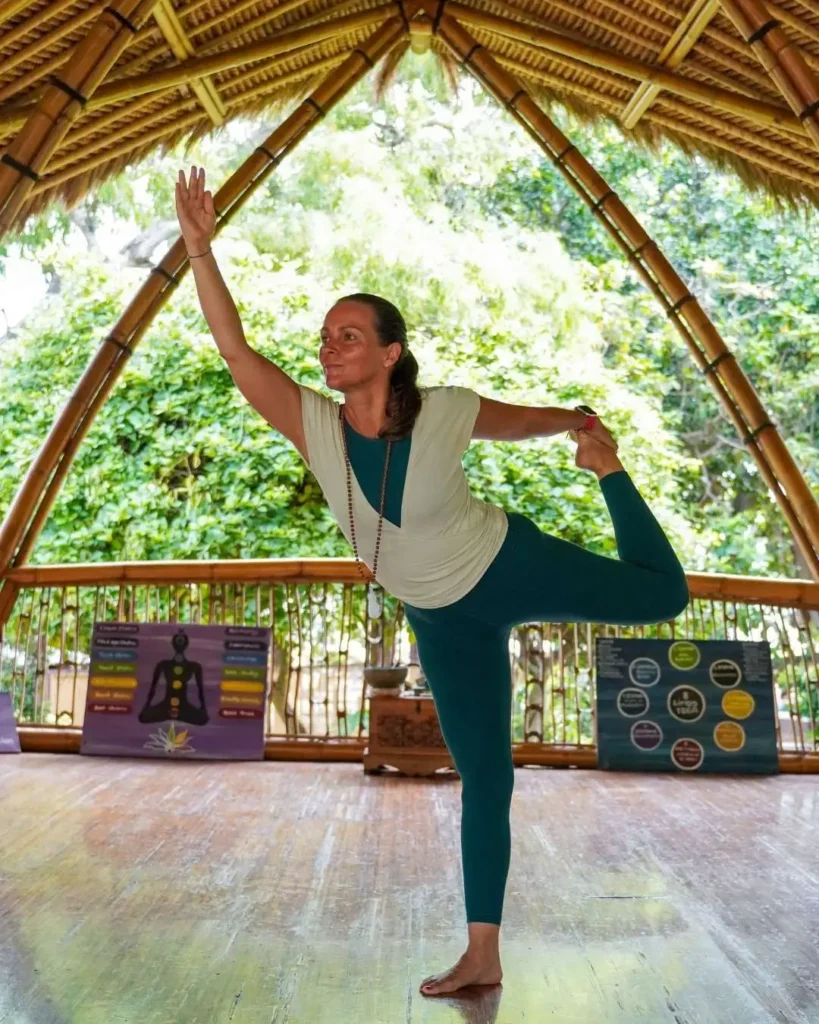
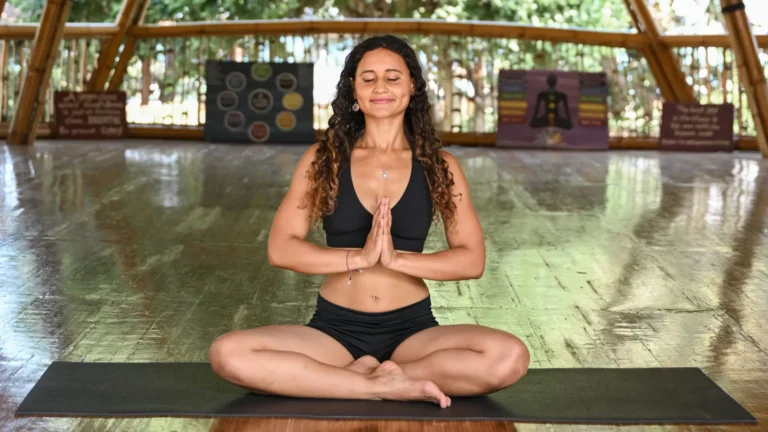
Hatha is a slower, alignment-focused style where postures are held rather than flowed through quickly. Because the pace is gentle, it gives you time to actually learn the shapes and understand what each pose is meant to feel like, which makes it a natural starting point for most beginners.
Hatha Flow
Hatha Flow brings a little more movement into the mix while keeping the same foundational principles. It is a good option if you want something slightly more dynamic but are not quite ready to jump into a full Vinyasa class.
Yin

Yin yoga targets the deeper connective tissues of the body, such as the ligaments, joints, and fascia, rather than the muscles. Poses are held for several minutes at a time, allowing the body to slowly open and release at a deeper level. It is a quieter, more meditative style that complements more active practices well, and a great way to build flexibility and body awareness from the very beginning.
Restorative

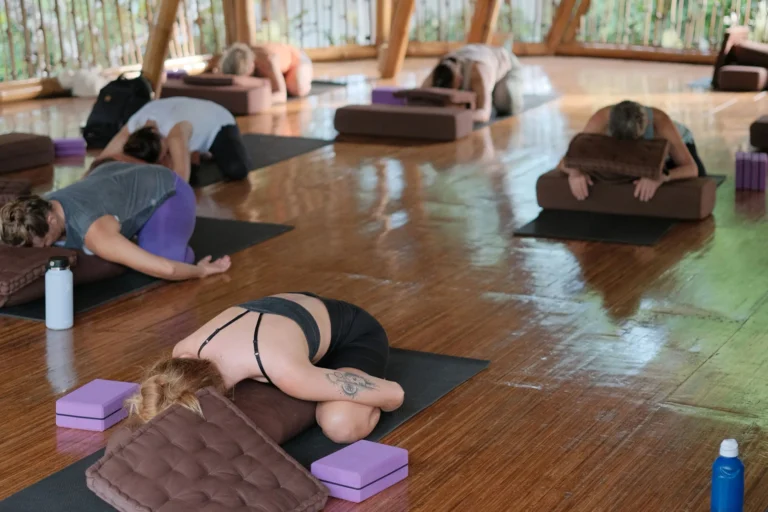
Restorative yoga is about complete rest and release. Poses are fully supported with props and held for a long time, giving the nervous system a chance to unwind. It is a wonderful complement to any active practice and a great entry point if you are recovering from stress, illness, or injury.
Once you’re comfortable with Hatha or Yin, styles like Vinyasa or Iyengar are natural next steps if you want more movement or more precision. You can see the full weekly schedule on our yoga classes page.
What to wear and bring
You don’t need special gear to start, just clothing that lets you move and bend without restriction.
- Comfortable, stretchy clothing, tops that won’t ride up during forward folds work best
- Bare feet, yoga is practised without shoes or socks
- A small towel, useful in Bali’s warmth
- A water bottle, though most studios will have water available too
- An open mind more than any piece of equipment
Mats, blocks and straps are provided at most studios, including ours, so there’s no need to buy your own before your first class.
Studio etiquette basics
A few simple habits go a long way toward feeling comfortable in a new space:
- Arrive around 20-30 minutes early to settle in and set up your mat without rushing
- Avoid eating a heavy meal in the two hours before class
- Keep phones on silent and out of sight once class begins
- Let the teacher know before class if you’re pregnant, injured, or managing a health condition
- Stay for the full class if you can, including the final relaxation, it’s often the most valuable part
None of this is about rigid rules. It’s mostly common courtesy, both to yourself and to everyone else in the room.
Your first class, step by step
- Arrive early and pick a spot on the floor, usually toward the back if you’d like to watch others for the first few poses
- Set up your mat, along with any props the teacher suggests
- Introduce yourself briefly to the teacher if it’s your first time, most are happy to check in beforehand
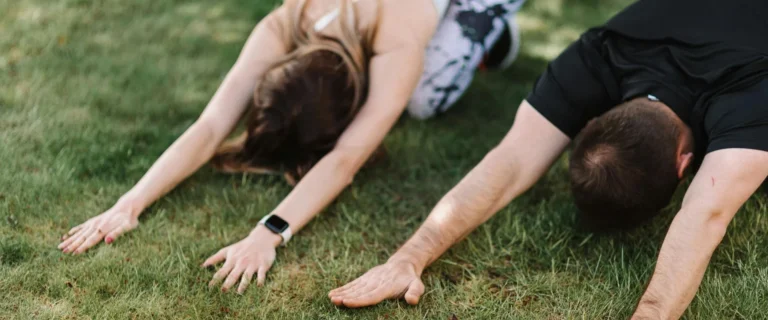
- Follow the pace, not the person next to you. It’s genuinely fine to rest in child’s pose whenever you need to
- Ask questions afterward if anything felt confusing, teachers generally welcome it
By the end of one class, most beginners already have a much better sense of what to expect next time.
Common beginner worries
“I’m not flexible”
Flexibility is a result of practising, not a requirement for starting. Nobody arrives at their first class able to touch their toes, and a good teacher will show you modifications so every pose still feels useful, wherever your body is starting from.
“I’m not fit enough”
Yoga isn’t primarily about fitness in the traditional sense. Gentle styles like Hatha and Yin are accessible regardless of your current activity level, and your fitness tends to build gradually as a side effect of practising, not a prerequisite for showing up.
“Am I too old?”
There’s no upper age limit on yoga. Students in their sixties, seventies and beyond practise safely and confidently, often benefiting the most from the gentler, alignment-focused styles. As with any new form of movement, it’s worth checking with your doctor first if you have an existing injury or health condition, but age on its own is rarely a reason to hold back.
Starting your practice in Sanur
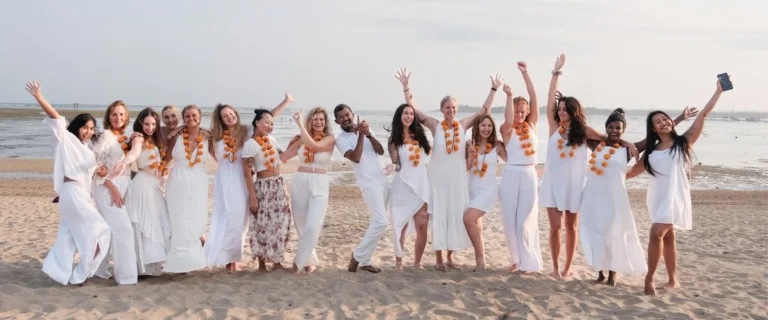
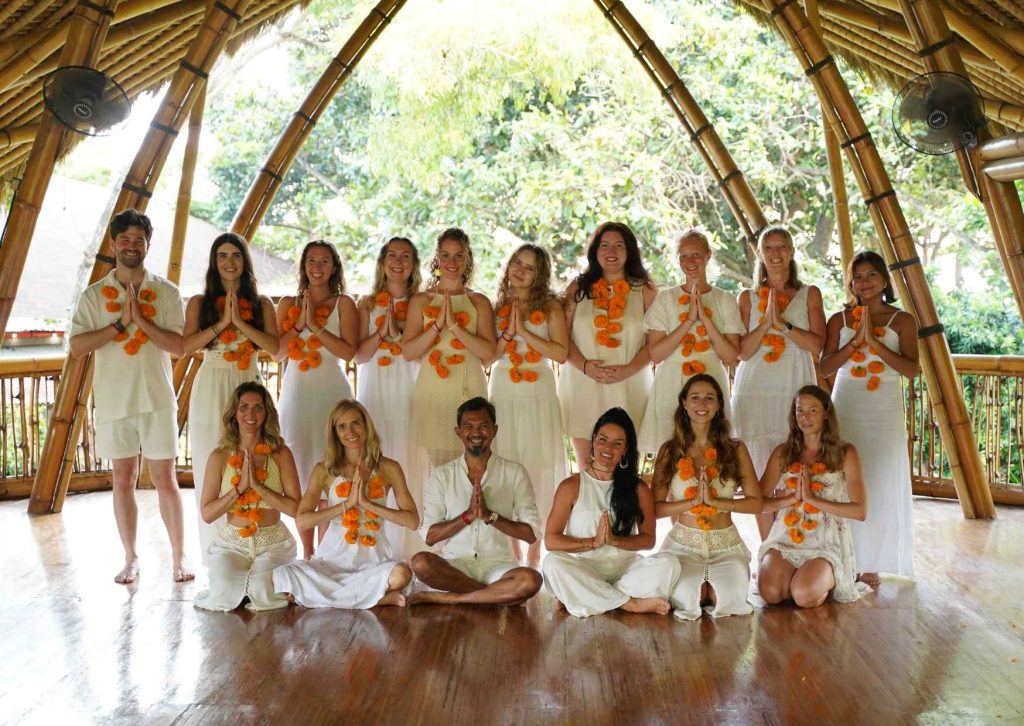
Sanur is a wonderful place to try yoga for the first time. The village moves at a gentler pace than busier parts of Bali, and the beachfront setting at Power of Now Oasis makes it easy to ease in without any pressure. Everyone is welcome here, regardless of age, background, or where you are from. Classes run throughout the day, so simply arrive about 20-30 minutes before whichever session fits your schedule.
If you’d like some guidance on which class to start with, our team is always happy to help you choose when you arrive, or you can get in touch beforehand and we’ll point you toward the right one.
For beginners who want to go deeper once they’ve found their footing, our wellness retreats also include private yoga sessions, a good option if you’d prefer some one-on-one guidance before joining group classes.
FAQ
How often should a beginner practise yoga? Two to three classes a week is a comfortable starting point for most people, enough to build familiarity without it feeling like a chore. Some beginners prefer to start with just one class a week and build up gradually, which works just as well.
What if I can’t keep up in a group class? That’s completely normal in the first few sessions. Good teachers build in rest points and modifications throughout, and it’s always fine to pause in child’s pose whenever you need to. Nobody is tracking who “keeps up.”
Should I try a private class before joining a group? It’s not necessary, but it can help if you’d like extra one-on-one attention before easing into a group setting. Many beginners simply start with a gentle group class like Hatha and find that’s enough support to feel comfortable.
How long before yoga starts to feel easier? Most beginners notice a real difference within three or four classes, once the basic poses and pacing start to feel familiar. Everyone progresses at their own speed, so it’s worth judging your practice against how you felt last week, not against anyone else in the room.
Do I need to book my first class in advance? At Power of Now Oasis, no booking is required for drop-in classes, simply arrive about 20-30 minutes early. If you’d prefer a private introduction first, reach out to our team to arrange a time.