
Quick Overview
Choosing a yoga teacher training is a big decision: a month of your life and a few thousand dollars. Bali alone has hundreds of options, and not all of them are built to the same standard. Some look great online, but once you arrive, you realise the schedule is rushed, the teaching team changes daily, or the course feels more like a holiday package than a real education.
If you are comparing trainings and asking yourself what is truly worth your time and money, it helps to look at a few clear markers of quality. Over the years, we have asked our students what mattered most when choosing their school and what made them feel confident in their decision.
Below are the 15 things our graduates say mattered most, and how to check each one before you book.
A Location That Supports Focus and Recovery
A 200 hour Yoga Teacher Training is intense. Even if you join mainly to deepen your Yoga practice, your days will be full, both physically and mentally. The place you choose matters, because your environment affects how you learn, rest, and recover.
In Bali, most teacher trainings are based in one of three areas:
Ubud is known as Bali’s “Yoga town”, surrounded by jungle and rice fields, with a strong wellness culture. It suits a quiet, inward, nature-based feeling, but it can be busy and crowded in peak season.
Canggu is popular with people who like a modern lifestyle: great cafes, a big fitness scene, surfing, and a lot happening. Some students love that; others find it distracting during an intensive course.
Sanur is a calmer beach town with a more local feeling. The beaches are long and walkable, and the atmosphere is quiet and steady, which suits students who want to focus, rest, and build a routine.
Ask yourself what you want your days to look like outside the training: jungle and rice fields, or the sea and beach walks? A busy social scene, or quiet time to study, practise, and recover?
Power of Now Oasis is based in Sanur, Bali, right by the beach. Sanur is known for its calmer atmosphere compared to busier areas of the island. You have the ocean close by, plenty of space to breathe, and an easy rhythm for daily life. There are local markets, temples, cafes, and restaurants nearby, so your days feel full, but not overwhelming.
A high-standard Yoga Teacher Training course should not feel chaotic. You want a place where you can sleep well, move between training sessions without stress, and reset when your nervous system needs a break.
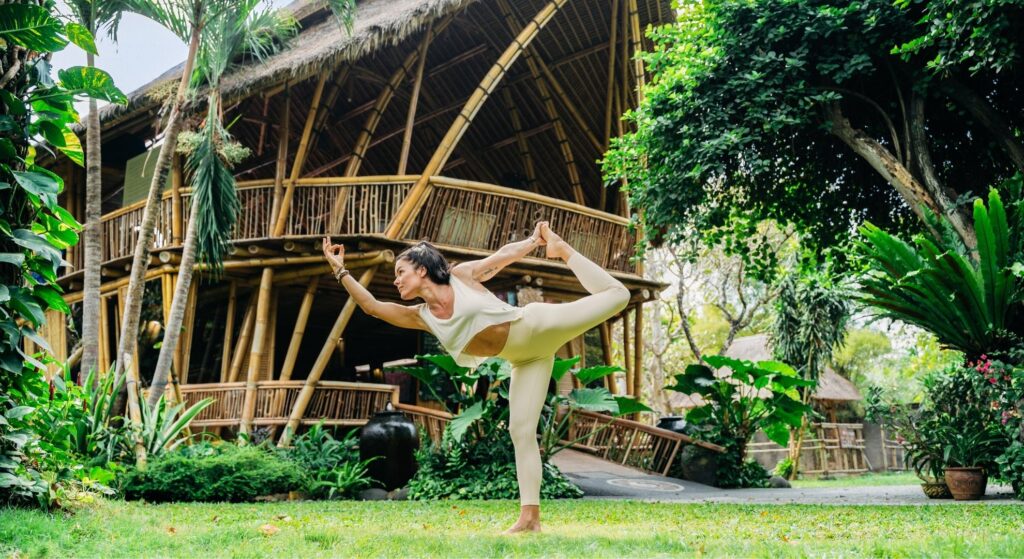
A Purpose Built Shala and a Calm Learning Space
One of the biggest differences between a serious Yoga school and a short-term provider is whether they have a stable home base and a dedicated shala.
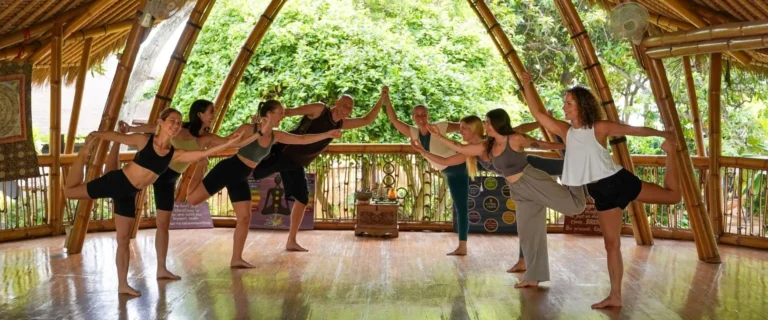
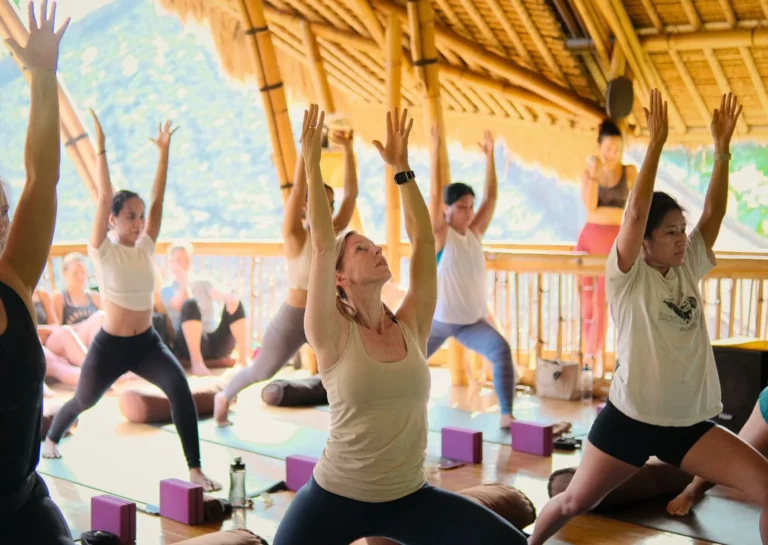
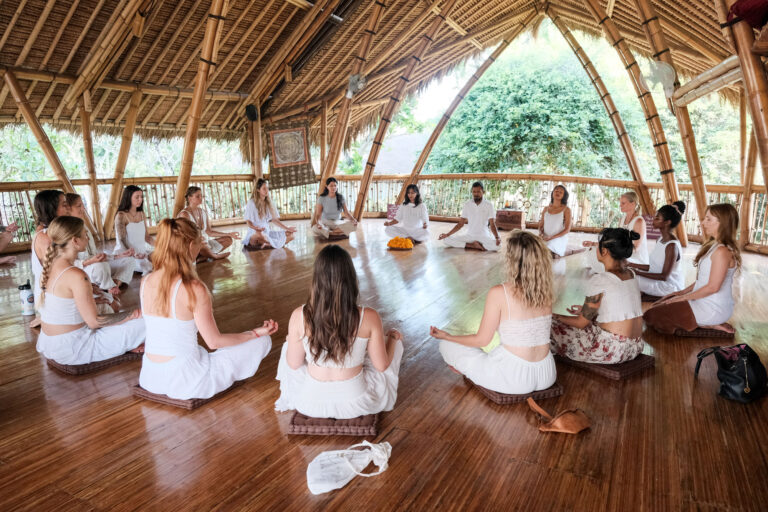
Power of Now Oasis is a purpose-built Yoga and retreat centre with an eco-friendly bamboo shala set in a green garden. Our main studio is built entirely of bamboo in the shape of a turtle, with an open practice space upstairs looking out towards the ocean. The space is open, airy, and designed for practice, study, and community. It is not a borrowed room or a temporary setup. That matters because the shala is part of the learning experience. You need a space where you can hear, focus, ask questions, and feel comfortable showing up as you are.
High-standard Yoga teacher training courses create an atmosphere where people feel safe to learn. Not just safe physically in the asana practice, but also safe to make mistakes, to speak up, and to grow.
Experienced Teachers Who Are Present and Invested

A Yoga Teacher Training is not the place for guesswork. You want experienced teachers who can explain the why behind what you do, not only demonstrate a pose.
Our Yoga Alliance Certified 200 hour YTT is guided by a highly experienced team, with lead teachers present throughout the course. That consistency is important. It means your learning builds day by day, and your teachers actually get to know you. You are not starting over every few days with a new person, a new style, and a new standard.
Two questions are worth asking every school. Are the teachers pictured on the website actually the ones who will teach you? And who delivers most of the contact hours? Under Yoga Alliance’s standards for registered 200-hour schools, lead trainers must hold the E-RYT 500 credential and teach at least 150 of the 200 hours. At Power of Now Oasis, our lead teachers hold E-RYT 500, and expert guest lecturers cover specialist modules such as Ayurveda, prenatal yoga, and anatomy.
A high-standard course should be able to clearly communicate who is teaching, what their background is, and how the teaching team supports students inside and outside the classroom.
Real Certification: What “Yoga Alliance Certified” Means
Some programs call themselves “certified” without being registered with a recognised body. If you want a widely recognised qualification, look for a Yoga Alliance Registered Yoga School (RYS 200), and check the school’s public profile on the Yoga Alliance website, including how long it has been registered and how many graduate reviews it has.
Before you book, ask exactly what you receive at graduation, what the assessment involves, and what you need to do afterwards to register as a teacher (RYT 200). To learn more, read our guide to choosing a Yoga Alliance accredited yoga school.
A Curriculum That Balances Traditional Roots and Modern Teaching Skills
There is a reason people come to Bali for Yoga Teacher Training. Many want a deeper connection to Yoga beyond the workout side of it. At the same time, most students also want to feel confident teaching in a modern class setting.
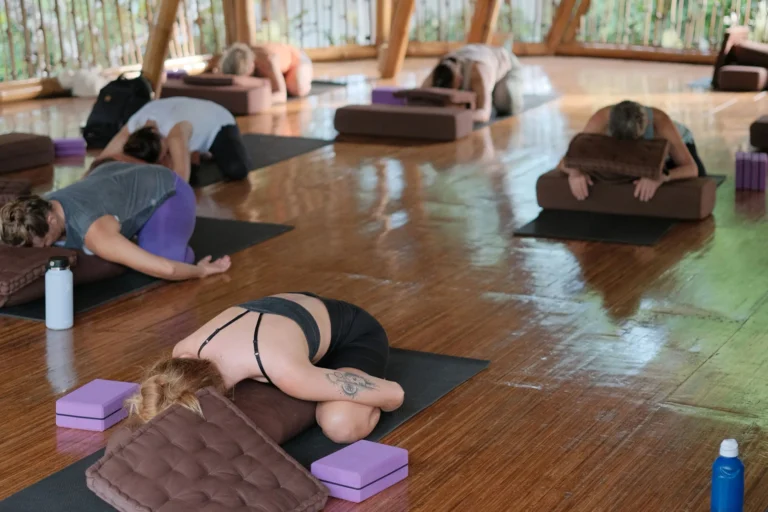
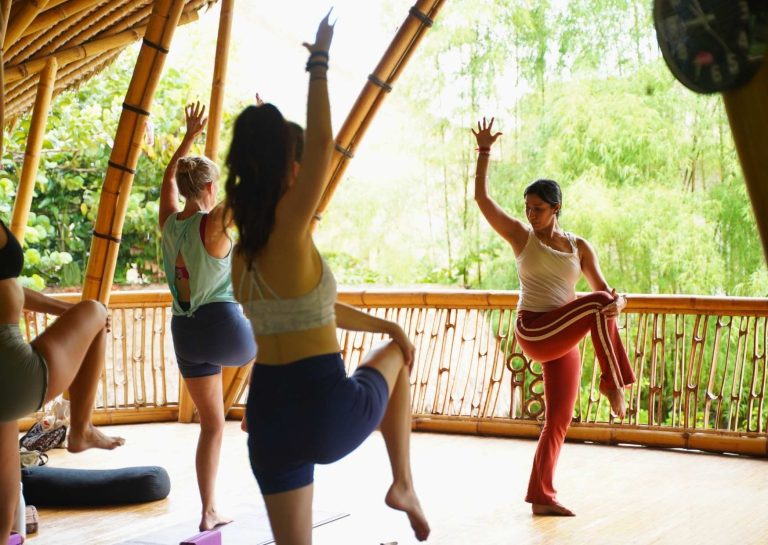
Power of Now Oasis offers a Yoga Alliance Certified 200 hour teacher training course that blends traditional Hatha Yoga with modern Vinyasa Flow. The aim is balance: grounding practice and alignment work, combined with dynamic movement and smart sequencing. Yin Yoga is also part of the training, giving students a broader understanding of style, pacing, and nervous system support.
One practical test: some schools say they teach several styles, but most of the time goes to one. Ask for the full daily schedule and see how the hours are actually shared. If you are unsure about the difference between the main styles, our guide to Hatha and Vinyasa yoga explains it.
A strong Yoga Teacher Training course should cover both personal practice and teaching skills. That includes:
Alignment and safe technique
Functional anatomy basics that actually help you teach
Sequencing for Hatha, Vinyasa, and Yin classes
Cueing, presence, and voice development
How to modify poses and offer options for different bodies
Pranayama, Meditation, and basic breathwork tools
Yoga philosophy and how to apply it in real life without making it feel forced
By the end, students should not only know more, but also feel more steady in how they practise, how they think, and how they teach.
Enough Days and Contact Hours to Learn Properly
Not all 200 hour Yoga teacher training courses are the same, even if they carry the same label.
We believe a minimum of 26 days is important for a 200 hour course because you need time to absorb what you learn. A high-standard YTT should include real contact hours with teachers, not just self-study or rushed sessions packed into a short timeline. It should also include enough time off to rest, because your body needs recovery to integrate new patterns.
Ask for a clear daily timetable, not a vague overview. A well-run course usually means full days of around 8 to 10 hours with proper breaks, one day off each week, and written and practical assessments before you graduate, so you know you are ready to teach.
If a provider promises everything in fewer days, it is worth looking closer at the schedule, how the hours are delivered, and how much real teacher contact you will get.
We also choose in person training over online courses. While online learning can be helpful for short workshops, we believe a Yoga Teacher Training experience is strongest when it happens face to face, in the shala, with live feedback, real connection, and hands on support.
A Personalised Experience and Real Support

Training standards are not only about the curriculum. They are also about how students are held during the process.
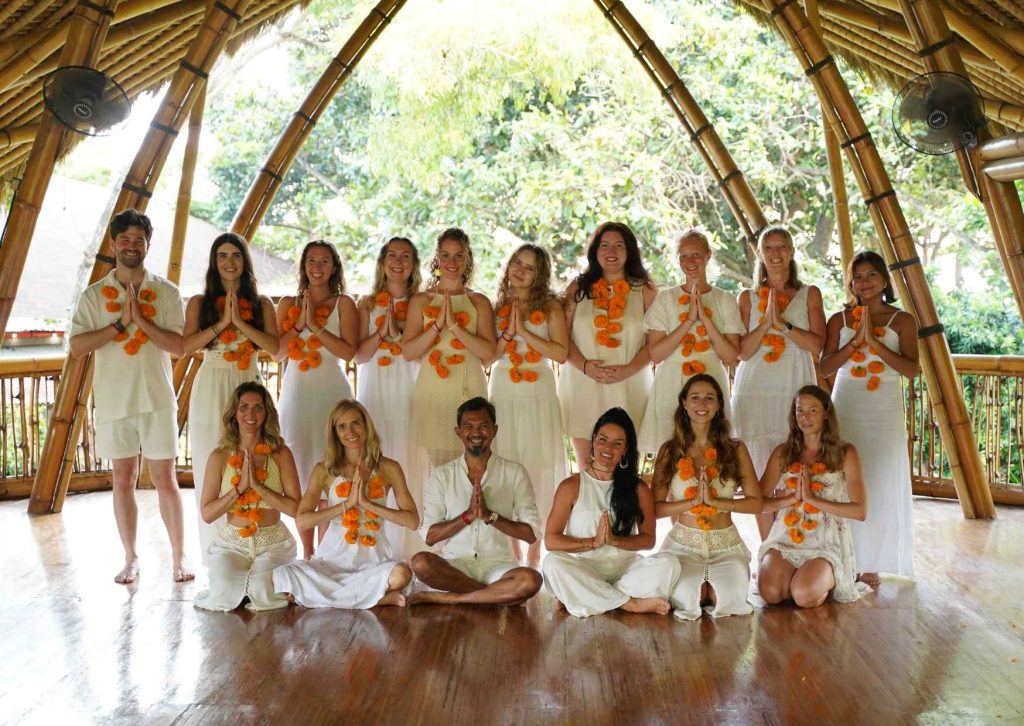
Power of Now Oasis accepts a maximum of 20 people per course. That size allows personalised attention, space for questions, and real feedback. You are not just one face in a crowd. Teachers can actually watch how you move, how you teach, and how you progress.
A high-standard Yoga teacher training course should also have clear communication and support from the admin side, so students feel looked after before arrival, during the training, and after graduation.
Teaching Practice That Builds Confidence
A good Yoga Teacher Training should not end with theory. You need practice teaching, and you need feedback.
Look for teaching woven through the whole course, not one final class at the end: short cueing drills, teaching in small groups, partner teaching, and then full classes with feedback from your teachers.
High standards show up when a school takes teaching practice seriously, guiding students day by day. Not pushing anyone to perform, but helping you find your voice, learn how to structure a class, and grow confidence in a supportive way.
Real Value Beyond the 200 Hours
When you invest in a Yoga teacher training course in Bali, you want to know what is included and what support continues beyond graduation.
At Power of Now Oasis, your training fee includes free Yoga classes at the studio for two weeks before and two weeks after your YTT. This is a simple but important part of the experience. It gives you time to settle in, get familiar with the teachers and the shala, and continue practising after the course while everything is still fresh. Graduates also have the option to teach some public classes after the course to build confidence.
It is also worth asking what happens after you graduate. Will the school still be there to give you a reference when you apply for teaching jobs, and will you stay connected with your teachers and fellow graduates?
Accommodation Options and a Smooth Arrival

A good Yoga Teacher Training experience also depends on practical details like accommodation and planning.
We offer accommodation options through our sister boutique hotel, Kolonial House, just a 5-minute walk from the shala, and we can also recommend alternative places to stay depending on your budget and style. Either way, we want you to feel comfortable and well-rested, because where you sleep affects how you show up each day.
Questions worth asking any school:
Do they offer accommodation, or recommend places to stay?
How far is it from the shala?
Is it quiet enough to sleep well at night?
What happens if your plans change?
It is also worth checking a school’s policies around cancellation and how they handle unexpected changes. Clear info, written policies, and transparent communication are part of professional standards.
A School With a Track Record and Clear Ethics
Power of Now Oasis has been established since 2010 and has trained hundreds of students over the years. In Bali, you will find many new trainings that come and go. Choosing an established school gives peace of mind because the operation is stable and the standard stays consistent across courses.
Before you book, check the school’s Yoga Alliance profile for real graduate reviews and how long it has been registered, ask whether it has a written ethics policy, and ask how long it has run from the same location. A school that disappears cannot give you a reference later.
We are also a fully legal company. Our staff are employed correctly, western employees have legal work permits, and we pay tax. These details may sound boring, but they matter. You want to know your course is secure and professionally run.
Giving Back and the Healing Side of Yoga

Yoga is not only about personal growth. It is also about how we live in the world and how we treat the people around us.
Power of Now Oasis was built with a strong giving-back element. We are a semi-non-profit business model, and we proudly support the Sole Family Foundation in Bali. Solemen helps families facing disability, chronic illness, mental health challenges, and difficult life circumstances. Supporting them is part of how we try to make our work more meaningful and grounded in real community impact. For many students, this adds a deeper layer to the experience, because Yoga is also about healing, service, and connection.
Red Flags to Watch For
In most cases, you get what you pay for. A few warning signs come up again and again:
Several trainings (50, 100, 200 and 300 hours) running at the same time, back to back, every month
A 200-hour course squeezed into three weeks or less
One main teacher doing almost everything, or teachers on the website who never actually teach
“All-inclusive” packages that rely on the cheapest hotels nearby
Pressure tactics like “only 3 spots left” or countdown discounts
Photos that do not match the real venue
Requests to pay into a personal or overseas account
Organisers without a local company, work permits, or a permanent studio
If a school ticks several of these boxes, keep looking.
Reviews and Real Student Feedback


When you compare trainings, reviews matter. Not just star ratings, but real written reviews that describe the teaching, the schedule, the support, and how students felt during the course.
We recommend reading a range of reviews and noticing what people repeat. Do they mention the teachers being present, the shala feeling safe, the days being well structured, and the balance between practice, meditation, philosophy, and rest? These are often the signs of a high-standard training. If you can, ask the school to put you in touch with a former student, or watch a graduate’s video about their experience.
A Simple 5-Question Filter
If you want a quick way to compare schools, ask yourself these five questions:
Do I like the location, and can I see myself living there for a month?
Is the school established, professional, and clear about policies like cancellation?
Does the course include the Yoga styles I want to practise and teach?
Are there enough real contact hours, experienced lead teachers, and real teaching practice?
Is the certification recognised by Yoga Alliance, and does it match what I need long term?
If you can answer yes to all five, you are likely choosing a high-standard YTT.
Ready to Look at a Training?
If you are interested in joining our next Yoga Teacher Training course in Bali, the best next step is to read the full course info and see if our style fits what you are looking for. A high-standard YTT should feel like a solid education, an amazing experience, and a supportive place to grow, not a rushed package.
You can learn more here:
Our 200-hour yoga teacher training in Bali: see dates and prices
Contact us with your dates and questions