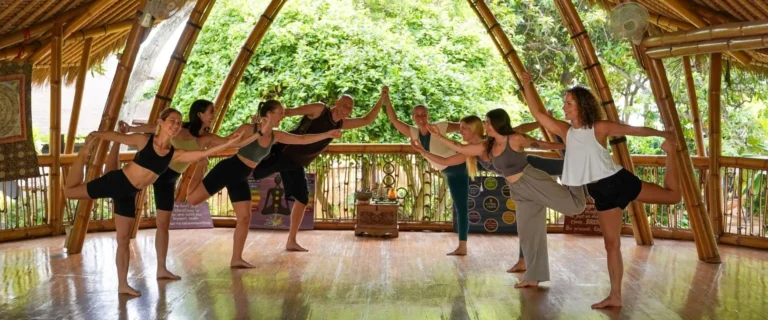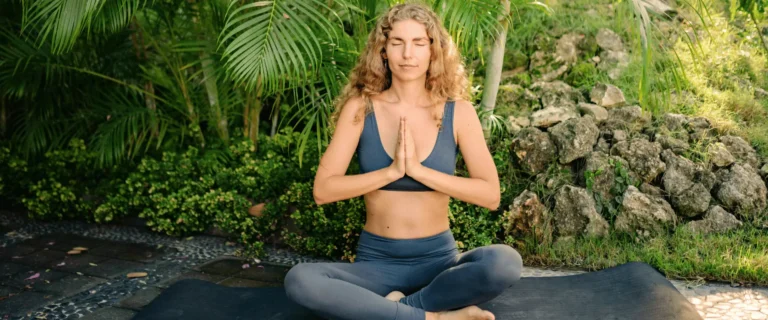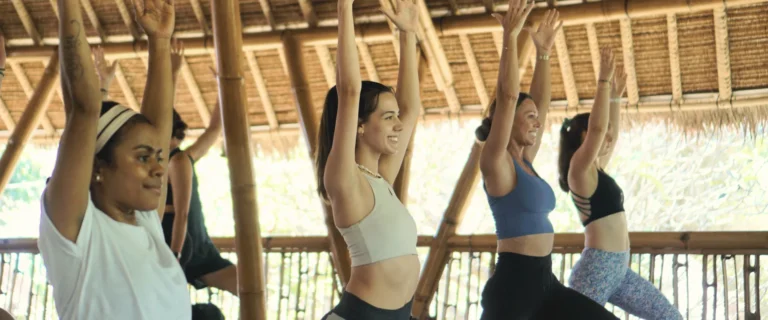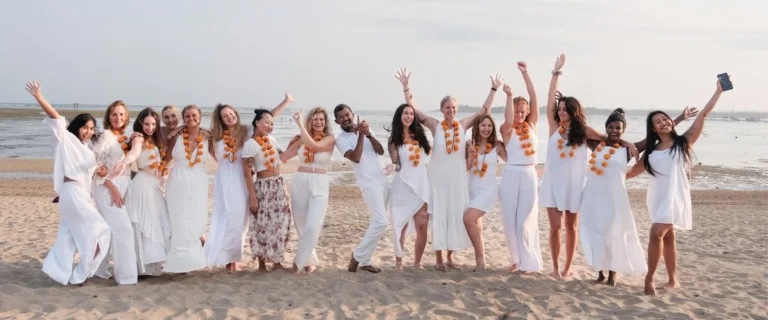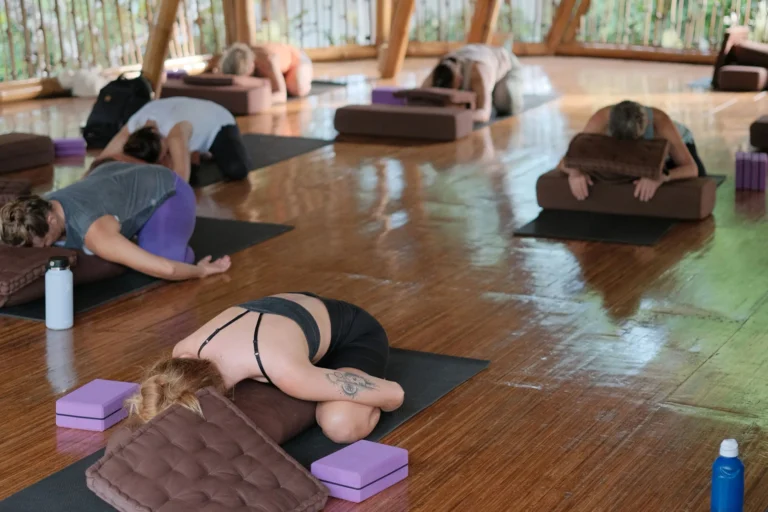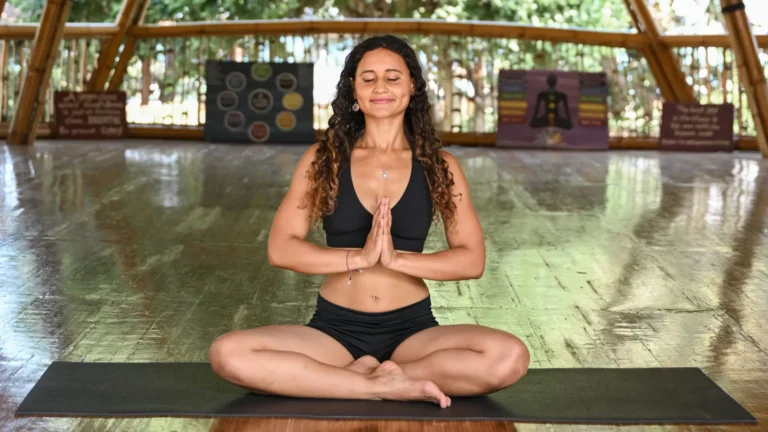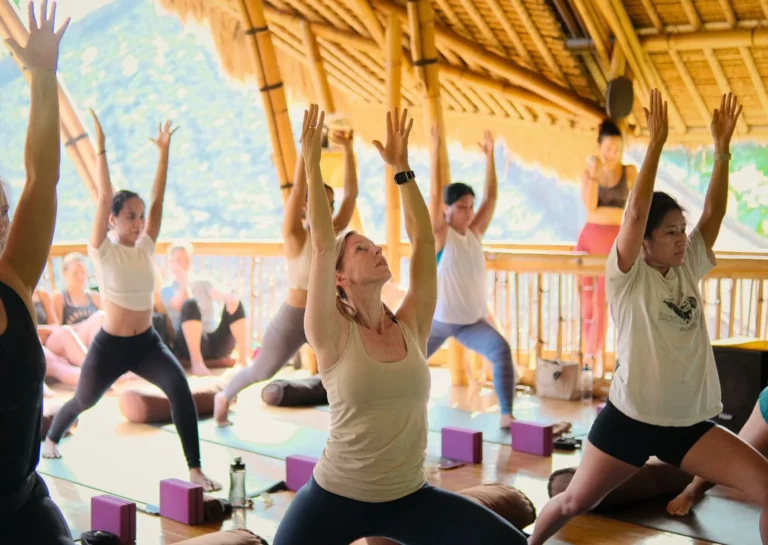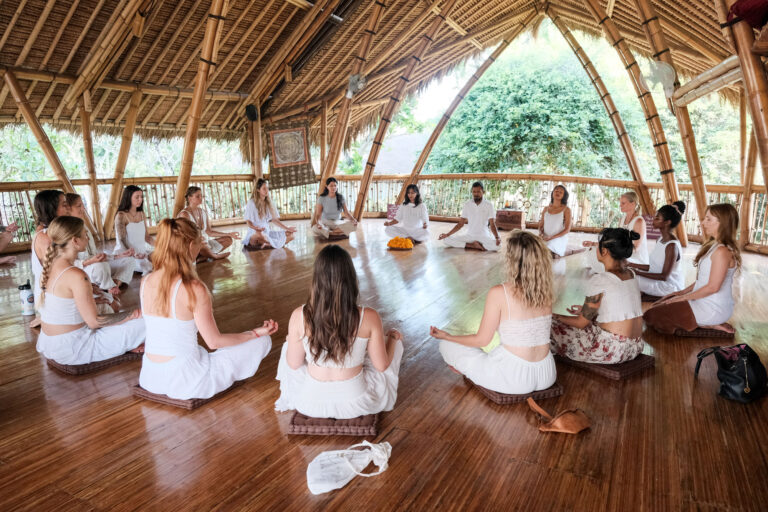

Searching for the best Yoga Teacher Training in Bali can feel exciting and overwhelming at the same time. Bali is one of the most well-known places in the world for Yoga, and because of that, there are many different courses, schools, and programs to choose from. Some trainings are amazing and truly life changing. Others look good online but don’t hold the standard once you arrive.
A 200-hour YTT is not just a holiday. It is a full month of daily practice, learning, and personal growth. You will spend many days in the shala, you will study philosophy and meditation, you will practise teaching, and you will learn how to guide students safely. You will also need time to rest, integrate, and enjoy normal life in Bali in between training days.
Most people who want to do a Yoga Teacher Training course in Bali start the same way: they open a million tabs, compare course fees, read reviews, look at accommodation options, and try to understand what “best” really means. This article is here to make that easier, with clear standards you can use to compare different YTT programs.
Below are 5 detailed tips to help you choose the best Yoga Teacher Training in Bali, plus a few extra things people often forget to check.
A quick overview
Start with the location and the daily life you want
You will spend around 26 days or more in one place. That means your location affects your whole experience. Not just how beautiful the Yoga shala looks, but also how your days feel, how you sleep, how you recover, and how focused you can stay.
In Bali, the most common locations for YTT courses are:
Ubud
Ubud is known as Bali’s “Yoga town.” It is surrounded by jungle and rice fields, and it has a strong wellness culture. If you like a quiet, inward, nature based feeling, Ubud might fit you. At the same time, Ubud can be busy and crowded in peak season, so think about whether you like that kind of energy.
Canggu
Canggu is popular for people who like a more modern lifestyle. Great cafes, a big fitness scene, surfing, and a lot happening. Some students love that. Others feel it can be distracting during an intensive Yoga Teacher Training course.
Sanur
Sanur is a calmer beach town with a more local feeling. The beaches are long and walkable, and the atmosphere is often more quiet and steady. Many students who want to focus, rest, and build a routine choose a place like Sanur for their training days.
Ask yourself what you want your day to look like outside the training program. Do you want the jungle vibe of Ubud, or do you want the sea and beach walks? Do you want a busy social scene, or do you want quiet time to study, practise, and recover?

Look for an established Yoga school with real standards
One of the biggest differences between a high-quality Yoga teacher training school and a short-term provider is stability.
The best Yoga Teacher Training schools in Bali have:
a real base (not just a rented room for a few weeks)
consistent lead teachers
clear systems and student support
a track record over many years
transparent course information and policies
It also matters that the school operates legally. This is not just about paperwork. It affects the reliability of the whole program. We have heard of courses in Bali being disrupted or cancelled when providers are not properly set up. A professional school will also be clear about their cancellation policy and their terms, so you know what happens if your plans change.
A good standard is to choose a Yoga school that has been running Yoga training programs in Bali for at least 5 years.

Decide what Yoga style you want, and what style you need
Many students search for the best Yoga Teacher Training course, but they don’t know what style they actually want to learn. Others want one style, but need a training that includes different styles so they can teach different types of students later.
Common styles you will see in Bali YTT programs include:
Hatha Yoga for alignment, foundations, and steady practice
Vinyasa Yoga for flow, sequencing, movement, and modern class structure
Yin Yoga in some programs, for slower practice, nervous system support, and deep stretching
Meditation and breathwork, often included as a daily part of training
If you want to become a confident teacher, it helps to choose a course that gives you a strong base in both Hatha and Vinyasa. Hatha helps you understand alignment, technique, and safe structure. Vinyasa helps you learn modern teaching skills, flow sequencing, and transitions. Read more about the two different styles here. Many of the best programs include both styles, plus meditation and Yoga philosophy, so you understand Yoga beyond the physical practice.
Also check the balance. Some schools say they offer different styles, but in reality it is mostly one style with a few extra sessions. Ask for the full daily schedule and see how the time is shared.
Check the 200 hour structure, contact hours, and teaching practice
Many programs advertise a 200-hour Yoga Teacher Training, but not all 200-hour courses are equal. The word “hour” matters. The best training programs include real contact hours with teachers, not only online assignments or self-study.
Here are standards to look for:
Around 26 days or more for a full 200-hour YTT (depending on schedule design)
A clear daily timetable, not a vague overview
Real teaching practice: students teaching students, feedback, and structured progression
Time for anatomy, alignment, sequencing, and cueing
Daily meditation or regular meditation practice
Yoga philosophy that is clear, grounded, and practical
If you want to teach after your YTT, you need teaching practice. Not just one final class at the end. You want teaching woven into the program: short cues, small groups, partner teaching, and full classes with feedback.
It is also worth checking whether the program is mostly in-person or partly online. Many schools now offer online components. Online learning can be helpful for workshops, but for a full Yoga Teacher Training experience, in-person training usually offers the best support. You get real-time corrections, personal guidance, and a stronger learning environment. For many students, that is what makes the experience feel real and safe.
Confirm certification, Yoga Alliance, and what “certified” means
If certification matters to you, make sure you understand what the school offers.
Some programs call themselves “certified” without being registered with a recognised body. If you want a widely recognised certification, look for a Yoga Alliance registered school and a Yoga Alliance aligned 200-hour training.
A Yoga Alliance certified 200-hour program is often called:
Yoga Alliance Certified 200 Hour YTT
Yoga Alliance RYS 200 program
200 Hour Yoga Teacher Training certification
If you want to register as a teacher later, check exactly what you will receive after graduation and what steps are needed. Also check the course manual, exams, teaching hours, and graduation requirements.
To learn more about the benefits of choosing a Yoga Alliance accredited school, read more here.


Extra things people forget to check
(but they matter)
Accommodation and how your body will recover
Accommodation affects your whole experience. If you sleep badly, your practice suffers. If your accommodation is far from the Yoga school, your day becomes stressful.
Ask the school:
- Do you offer accommodation options?
- Do you recommend different places?
- How far is the accommodation from the shala?
- Is it quiet at night?
Some schools offer their own accommodation. Others offer partner hotels or shared villas. At Power of Now Oasis, for example, students can stay at Kolonial House (our sister boutique accommodation), and we can also recommend different options depending on your budget and the style of place you like.
Student support and the personal side of training
A high-standard YTT is not only about the yoga. It is also about the people. The best training programs feel supportive, structured, and personal. Students should feel seen, heard, and guided. That is often what people mention most in reviews.
Real reviews and shared experiences
Read reviews on different platforms, not just on the school website. Look for repeated themes:
- Are the teachers present and supportive?
- Is the course well organised?
- Do students feel safe in adjustments and teaching practice?
- Is the school professional and clear with info?
If possible, ask if you can speak with a former student or watch a graduate video. Real shared stories help you decide.
A simple way to choose the best Yoga Teacher Training in Bali
If you want a clear filter, use these questions:
- Do I like the location (Ubud, beach town, or somewhere else) and can I see myself living there for many days?
- Is the Yoga school established, professional, and clear with policies like cancellation?
- Does the course include the Yoga styles I want to practise and teach (Hatha, Vinyasa, meditation, philosophy)?
- Does the program have enough real contact hours, teaching practice, and experienced teachers?
- Is the certification recognised (Yoga Alliance) and does it match what I need long term?
If you can answer yes to all five, you are likely choosing a high-standard YTT.

Interested in Power of Now Oasis?
If you are interested in joining our Yoga Teacher Training in Bali, we are happy to share full course info, the daily schedule, accommodation options, and real student reviews. Our Yoga Alliance certified 200-hour YTT is based in Sanur and blends Hatha and Vinyasa styles, with meditation and philosophy as part of the program. We focus on quality teaching, personal support, and a safe learning experience for students.
Just email us anytime and tell us what you want, your time frame, and what matters most to you. We will help you find the best fit, even if you are still comparing different courses and schools.