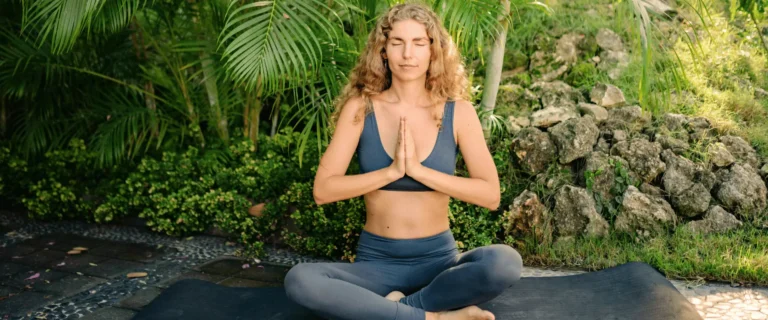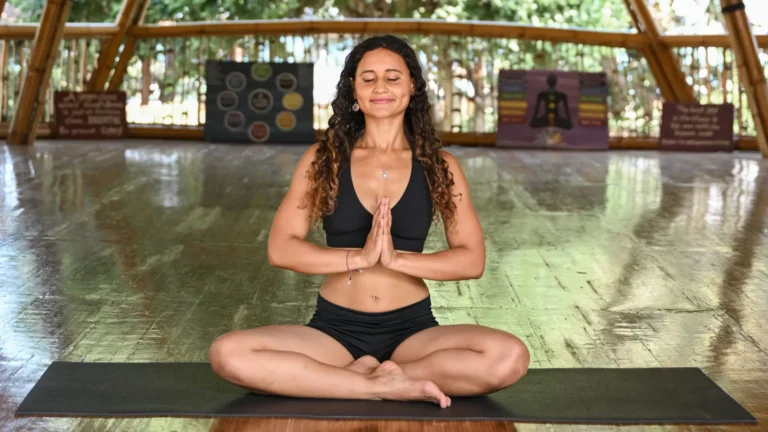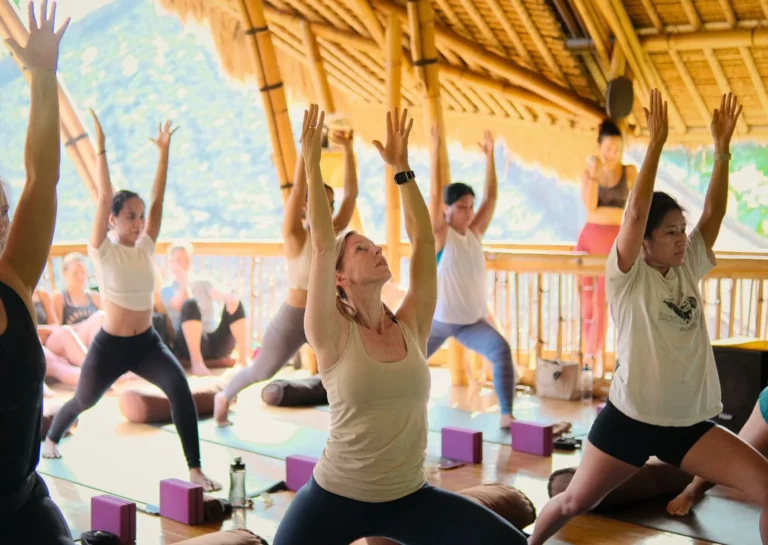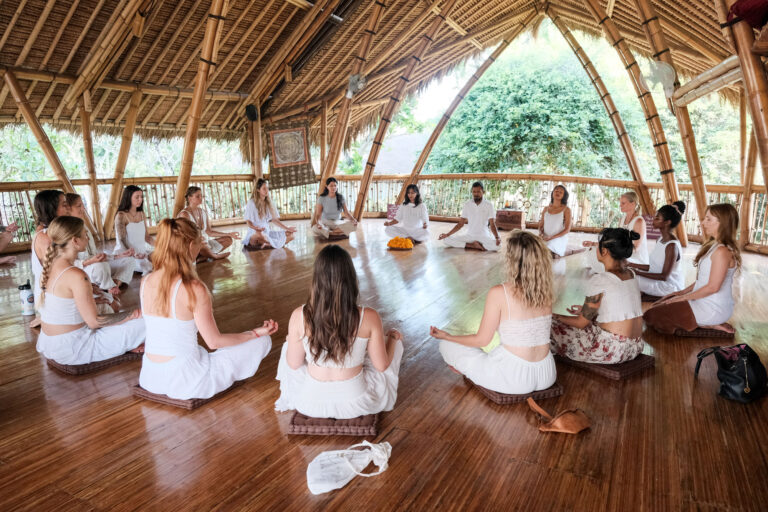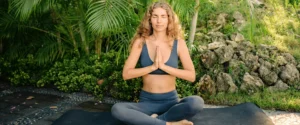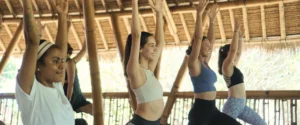

No matter how advanced their physical practice is, many yoga students still ask for tips on how to meditate. There are many different meditative practices, such as painting, cleaning your room, or even driving. This blog will help you understand traditional meditation, the type that you may be instructed to do in a yoga class, for example.
As meditation forms a very important basis and builds a solid foundation for your yoga practice, it is an important element of almost every class.
Depending on the teacher, meditation in a general yoga class can last up to 10 or 15 minutes at the beginning or end of practice. It is not unusual for new students to find this silent, reflective time more challenging than the rest of the physical asana practice.
Quick Overview
5 Key points for those who wish to begin exploring how to meditate.

In the hope that the next time you find yourself in class and are instructed simply to meditate, it might not seem so daunting, take a read through the hints below.
1. Why do you want to learn how to meditate?
Is it to calm racing thoughts? To decrease anxiety? To help you focus more? Or maybe you are just doing it because someone has told you that you should.
Meditation is an intensely personal practice, and because of this, it is difficult for any teacher to find out exactly how it can benefit each student individually. By deciding to learn how to meditate, you have already acknowledged that it might be beneficial, but I urge you to dig a little deeper to find out why you think this is. Consider what areas of your life could benefit from receiving a little more directed energy and focus.
Learning how to meditate can help with directing intentions and allowing energy to flow in that direction, so take a little while before your next session to consider your motivations.
2. Start with your breath
Is it to calm racing thoughts? To decrease anxiety? To help you focus more? Or maybe you are just doing it because someone has told you that you should.
Meditation is an intensely personal practice, and because of this, it is difficult for any teacher to find out exactly how it can benefit each student individually. By deciding to learn how to meditate, you have already acknowledged that it might be beneficial, but I urge you to dig a little deeper to find out why you think this is. Consider what areas of your life could benefit from receiving a little more directed energy and focus.
Learning how to meditate can help with directing intentions and allowing energy to flow in that direction, so take a little while before your next session to consider your motivations.
3. Allow the resistance
By now, you might be feeling a little restless. Whether it is mental or physical, the first few minutes are often the toughest when it comes to remaining still. Know that resistance is normal when you learn how to meditate.
Notice when, where, and more importantly why you might be experiencing this resistance, and then, just as simply as it came into your mind, try to let it go.
4. Find a style you like
After breath meditation, guided meditations are a good idea to help you start getting used to sitting for longer periods of time. There are plenty available online and on YouTube, and for anyone who experiences difficulty sleeping, they can be especially helpful in quieting the mind enough to get some rest.
Do not stop there, though. In a similar vein to yoga, different meditation styles and teachers will appeal to some people more than others. Do not lose heart if you do not feel a connection immediately. Keep an open mind. Trust that figuring out how to meditate is a different process for everybody, and eventually you will find a way that works for you. This is why meditation is such a powerful tool: it helps us create self-awareness and get to know ourselves a little better.
5. Be consistent
Last but not least, for anyone who wants to properly learn how to meditate, I encourage you to be consistent. As with anything, practice, practice, practice. Alternate nostril breathing or Equalizer Breath, with equal counts on both inhale and exhale, are both great places to start, even if it is only for 5 minutes a day. If you slowly build on the duration, you will start to experience the confidence and awareness it can cultivate. Next time you try, you might feel inspired to sit for longer periods of time. Again, do not get disheartened if one day you sit for 30 minutes and another day for 10.
There is no such thing as a bad meditation.
Power of Now teachers are available for private meditation sessions, and we also offer Hatha yoga classes with extra meditation throughout the week.
Our yoga teacher trainings also delve deeper into the practice of meditation.
There are still a few places where I would improve the style, not just the grammar, especially the headline and some of the older phrasing.